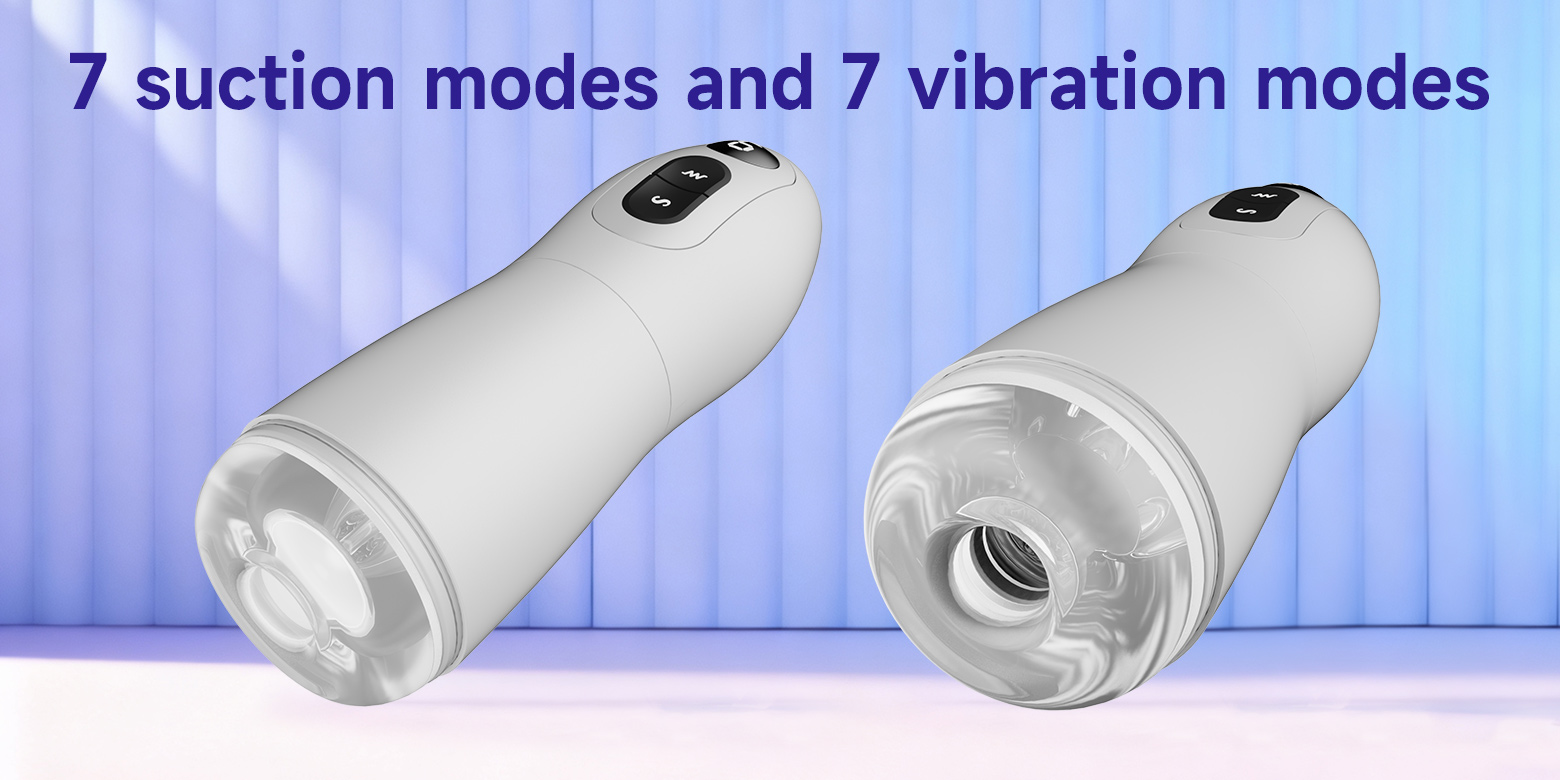
The market for male masturbator products has evolved significantly in recent years. What was once considered a simple accessory has become a category driven by design innovation, structural engineering, and user-focused refinement.
One of the most important elements to understand is internal structure. Different models feature varying tunnel patterns, chamber density, and layered textures. These design choices directly influence airflow, pressure balance, and sensation variation. A well-developed internal texture design creates gradual transitions rather than repetitive stimulation, offering a more controlled and dynamic experience.
Another factor that shapes performance is flexibility and grip structure. Some products emphasize tight compression for stronger feedback, while others focus on adaptive elasticity that responds naturally to movement. The balance between firmness and softness determines how immersive or relaxed the overall experience feels.
Material resilience also plays a role in long-term satisfaction. Quality construction ensures the product maintains its shape even after repeated use. Reinforced outer casing, secure entry structure, and stable internal alignment contribute to a more reliable product lifecycle. Many modern designs now prioritize durable construction quality, ensuring consistency over time rather than short-term performance.
Ease of cleaning and storage are equally important. Detachable sleeves, reversible interiors, or open-ended designs simplify maintenance and drying. Products that integrate practical engineering with thoughtful structure tend to provide a smoother ownership experience overall.
In today’s market, choosing the right male pleasure product is less about appearance and more about understanding how structural details influence performance. By focusing on design logic and material integrity, users can select a model that matches their expectations and usage habits with greater confidence.
According to a report released by Fior Markets, the global non-woven fabric market is expected to grow from $52.76 billion in 2019 to $1050.3 billion by 2027, with a compound annual growth rate of 9.3% during the forecast period from 2020 to 2027. Due to the continuous increase in birth rates and income levels in India and China, it is expected that the Asia Pacific region will occupy the highest market share. In the Asia Pacific region, due to the worsening aging population, it is expected that Japan will also lead the market growth. The increase in production of baby diapers and other hygiene products has affected the continuously rising birth rates in the Asia Pacific region. Due to rapid industrialization and population growth, India and China are expected to have higher growth rates. Due to increased production and a rebound in construction activity, it is estimated that the North American market will experience significant growth.
The product section includes polypropylene, nylon, polyester, and combed polyester. The polypropylene non-woven fabric is expected to grow the fastest, followed by polyester. The polypropylene market is attributed to its ability to be modified through auxiliary chemicals and its availability in various grades. Due to the increasing penetration rate in agriculture, automotive, surgical, and medical equipment, the polyester market is expected to grow. Due to the uniform arrangement of fibers, the market for coarse combed polyester will also experience significant growth. According to technology, the market is divided into spinning and melting, air flow forming, dry forming, wet forming, and combing. Due to its applications in the healthcare, medical, packaging, and automotive industries, it is expected that the dry laying technology field will witness significant market growth. The application areas include architecture, hygiene, interior decoration, automotive, and filtration. Due to changes in lifestyle, personal care and hygiene are considered top priorities, and it is expected that the healthcare sector will dominate market growth.
The factors driving the market are significant changes in lifestyle and increased demand for personal hygiene products such as sanitary napkins, diapers, and adult incontinence products. The low maintenance cost of road construction is expected to drive market demand. Due to its durability, formability, and lightweight, non-woven fabrics are also used in the automotive industry. It is expected that consumers' lack of awareness will hinder market growth. Therefore, due to the increased use of automobiles, hygiene and healthcare products, the market is expected to experience significant growth.
From a Nonwoven Roll Manufacturer to the Furniture Industry
When you sit on a comfortable sofa or armchair, you see the leather or fabric upholstery. You feel the foam cushion. What you don't see is just as important.
Underneath that beautiful exterior lies a hidden workhorse: polypropylene spunbond nonwoven fabric.
From spring covers to dust barriers, here's why furniture manufacturers worldwide rely on spunbond for their sofas, chairs, and mattresses.
1. Spring Cover (Spring Wrap / Cushion Backing)
Inside every upholstered sofa, metal springs do the heavy lifting. But bare springs can:
Squeak against foam
Poke through cushioning over time
Shift position during use
Spunbond nonwoven acts as a separation layer between the springs and the foam. It's strong enough to resist puncture, yet thin enough to take up no extra space.
Flip over any quality sofa or chair. What is the bottom made of? Traditionally, manufacturers used woven cambric (black fabric). Today, more are switching to spunbond nonwoven.
Why?
Blocks dust – Fine holes stop dust mites and debris from entering the furniture
Breathes – Prevents moisture buildup and mold inside the frame
Tear-resistant – Unlike paper-backed linings, spunbond won't rip during transport
Cost-effective – Significantly cheaper than woven alternatives
For dark-colored dust covers, we supply black spunbond at 60–100gsm – tough, professional-looking, and invisible to the end customer.
3. Furniture Backing (Back Cover for Cabinets/Shelves)
For wall-mounted cabinets, wardrobes, and bookshelves, the back panel is often hidden. Some manufacturers use solid wood or MDF, but that adds weight and cost.
A lightweight alternative? Spunbond nonwoven stapled or glued to the back frame.
Benefits:
Keeps dust out – No more cleaning cobwebs off your stored items
Allows air circulation – Prevents musty smells
Reduces shipping weight – A fraction of the weight of solid panels
Quick to install – No cutting, no splinters
This is especially popular in ready-to-assemble (RTA) furniture.
4. Foam Wrap / Cushion Encasement
When foam cushions are cut, they shed small particles (dust). Wrapping foam in spunbond before upholstery:
Contains foam dust – Cleaner factory, better working conditions
Prevents yellowing – Acts as a barrier between foam and outer fabric
Reduces friction – Helps the final cover slide on easier during assembly
For this application, we recommend 50–80gsm white or black spunbond.
5. Armrest / Backrest Inner Lining
Some furniture designs have hidden cavities (e.g., hollow armrests). Instead of leaving them empty (which feels cheap and hollow when knocked), manufacturers fill them with scrap foam or cotton, then wrap with spunbond.
This creates:
A solid sound when tapped (not hollow)
A smooth surface for the final upholstery
No loose fibers migrating through the outer fabric
In high-end sofa construction, thin metal wires run parallel to springs. Spunbond nonwoven is sometimes used as a secondary insulator between the springs and the fabric layer. It catches any spring movement and spreads load evenly.
A Quick Reference Table
Application
Recommended Weight (GSM)
Common Color
Key Benefit
Spring cover
60–90
Black / White
Noise reduction
Dust cover
80–120
Black
Blocks dust, breathable
Foam wrap
40–60
White
Dust containment
Backing panel
70–100
Black
Lightweight, breathable
Armrest lining
50–80
White
Solid feel, smooth finish
Why Furniture Makers Prefer Spunbond Over Woven Fabrics?
Feature
Woven Fabric
Spunbond Nonwoven
Cost
Higher
Lower
Tear strength
Directional
Uniform
Lint/fraying
Edges fray
Clean cut
Breathability
Good
Excellent
Dust blocking
Moderate
Excellent
Recycling
PP woven recyclable
PP spunbond recyclable
The Bottom Line
You won't see spunbond nonwoven in a furniture showroom. Your customers will never know it's there. But you – the manufacturer – will notice the lower costs, faster assembly, and better quality control.
From spring covers to dust barriers, PP spunbond is the invisible upgrade that makes good furniture better.
Looking for a reliable supply of spunbond nonwoven for your furniture production? We offer custom widths, colors (especially black and white), and basis weights from 40gsm to 150gsm.
From a Nonwoven Roll Manufacturer to the Furniture Industry
What separates a high-end sofa from an average one? Leather? Design? Brand? Partly yes. But often, the difference is hidden under the cushions — in the materials you never see.
One of those invisible workhorses is polypropylene spunbond nonwoven fabric, specifically when used as a spring cover (also called spring wrap or cushion backing).
Let's dive into why furniture manufacturers worldwide trust spunbond nonwoven for this critical application.
What Is a Spring Cover?
Inside nearly every upholstered sofa, armchair, or mattress, there is a system of metal springs. These springs provide support and comfort. Between the springs and the foam cushion (or top upholstery layer), manufacturers place a spring cover — a fabric layer that acts as a separator and insulator.
Traditionally, this layer was made from woven fabrics or mesh. Today, more and more factories are switching to PP spunbond nonwoven.
Why Spunbond Nonwoven for Spring Covers?
Here are the key reasons furniture manufacturers prefer spunbond for spring wrap applications:
1. Noise Reduction (Anti-Squeak) Bare metal springs rubbing against foam or fabric create squeaking sounds over time. Spunbond nonwoven acts as a silent buffer. The soft, continuous filament structure dampens vibration and eliminates metal-on-foam noise.
2. Prevents Spring Puncture Spring tips can be sharp. Under repeated compression (every time someone sits down), springs can slowly poke through foam. A durable spunbond layer — typically 60–90 gsm — provides a tough barrier that resists puncture without adding bulk.
3. Uniform Tear Strength Woven fabrics tear easily along the weave direction. Spunbond nonwoven offers uniform tear resistance in all directions. This matters during assembly — when workers stretch and staple the fabric over spring units.
4. Breathable Spring covers don't need to be airtight. In fact, breathability is a plus. It allows air and moisture to escape from deep inside the furniture, preventing mold and musty odors over years of use.
5. Cost-Effective Compared to woven alternatives, spunbond nonwoven is significantly more affordable while meeting or exceeding performance requirements. For high-volume furniture production, this adds up to real savings.
6. Easy to Cut and Staple Spunbond fabric cuts cleanly with no frayed edges. It's also easy to staple through without tearing. Factory workers can install it faster, reducing assembly time per unit.
Recommended Specifications for Spring Covers
Property
Recommended Value
Basis weight
60–90 gsm (70–80 gsm is most common)
Color
Black (most popular) or White
Width
Customizable to your spring unit size
Material
100% virgin polypropylene
Additives
Antioxidant (for long-term durability)
Spunbond vs. Woven Fabric for Spring Covers
Feature
Woven Fabric
Spunbond Nonwoven
Noise reduction
Moderate
Excellent
Tear strength
Directional (weak along weave)
Uniform (strong in all directions)
Edge fraying
Yes (edges fray over time)
No (clean cut)
Breathability
Good
Excellent
Cost
Higher
Lower
Installation speed
Slower (handles edges fray)
Faster
Who Uses Spunbond Spring Covers?
Sofa and armchair manufacturers – Both residential and commercial (hotels, offices)
Mattress producers – For innerspring mattress construction
Automotive seating suppliers – Car seat foam backing layers
Recliner and motion furniture makers – Where springs move and need silent operation
The Bottom Line
A good spring cover doesn't get noticed. That's the point. It sits silently between the springs and the comfort layers, doing its job year after year.
Polypropylene spunbond nonwoven fabric delivers exactly what furniture makers need: quiet, durable, breathable, and cost-effective spring protection.
If you're manufacturing sofas, chairs, or mattresses — and you want to reduce noise complaints, speed up assembly, and lower material costs — switching to spunbond spring covers is an easy win.
Looking for a reliable supply of spunbond nonwoven for spring covers? We offer custom widths, black or white colors, and basis weights from 50gsm to 90gsm — popular density use 70gsm, exactly what furniture factories need.
In recent years, with the continuous improvement of environmental awareness, people have attached increasing importance to eco-friendly shopping methods. As an environmentally friendly alternative, PP spunbond non-woven bags are increasingly favored by more and more people due to their reusable and biodegradable characteristics. Compared to traditional plastic bags, PP spunbond non-woven bags are more environmentally friendly, have a longer service life, and are a sustainable product. At the same time, PP spunbond non-woven bags also have good toughness and load-bearing capacity, suitable for multiple uses, and can effectively reduce the pollution of plastic bags to the environment.
In addition to its environmental characteristics, PP spunbond non-woven bags are also popular for their personalized design. In the market, there is a wide variety of styles and patterns of PP spunbond non-woven bags available, meeting the needs of different groups of people. Many people choose to customize their favorite PP spunbond non-woven bags, showcasing their personality while also conveying the value of environmental protection. PP spunbond non-woven bags are no longer just a shopping tool, but also a fashionable trend that reflects people's pursuit of environmentally friendly living.
With the popularization and application of PP spunbond non-woven bags in daily life, people are gradually developing good habits of environmentally friendly shopping. Choosing PP spunbond non-woven bags not only reduces environmental damage but also showcases personal charm, becoming a new way of shopping. In the future, we believe that non-woven bags will continue to play an important role in the field of environmental protection, leading people towards a more environmentally friendly lifestyle.
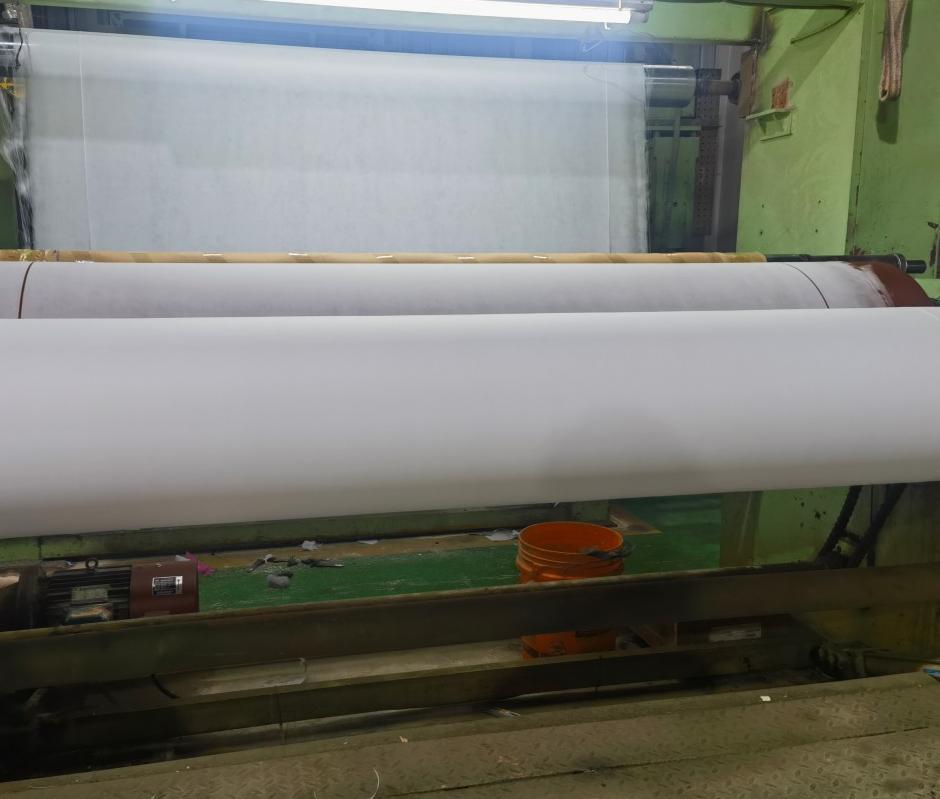
Non woven fabric is not "woven", but directly solidifies polypropylene (PP) fibers through physical methods such as high-temperature melting, spinning into a mesh, and hot rolling reinforcement. Among them, "spunbond method" is one of the mainstream processes - it allows continuous fibers to be oriented and stacked, with a uniform structure and stable pores, neither as dense as paper nor as loose and easy to disperse as gauze. This structure naturally has micrometer level channels, allowing air to freely pass through and water vapor to slowly escape, but liquid water is blocked due to surface tension. That's why 80g/㎡ has become the golden weight that balances stiffness and breathability - it's too easy to wrinkle and collapse, and too heavy can make the board hard, and this value is just enough to support DIY styling without sweating or feeling stuffy.
......
When doing handicrafts, the biggest fear is that the fabric will have rough edges when cut, shrink when ironed, and leave marks when stacked. Hongye's colorful PP non-woven fabric has sharp cutting edges without shedding threads ✂️, Iron can be shaped with low temperature and light pressure, with clear creases and resistance to repeated bending. I used it to make a three-dimensional volcano model for a children's science exhibition, with a layer of lining inside the eruption crater that not only covers the wires but also allows for ventilation and prevents heat accumulation; I have also tried cutting it into a dust cover and placing it on the desktop small parts box. With a light and airy cover, dust cannot enter and can be easily ventilated by lifting it with your hand. High color saturation but not glaring, does not turn white under sunlight, and appears vibrant even on cloudy days. The whole roll unfolds smoothly, the edges are neat, and the cut length is as long as possible, without any hidden shrinkage or color difference. 80gsm PP spunbond non-woven fabric is a good choice for handmade production.
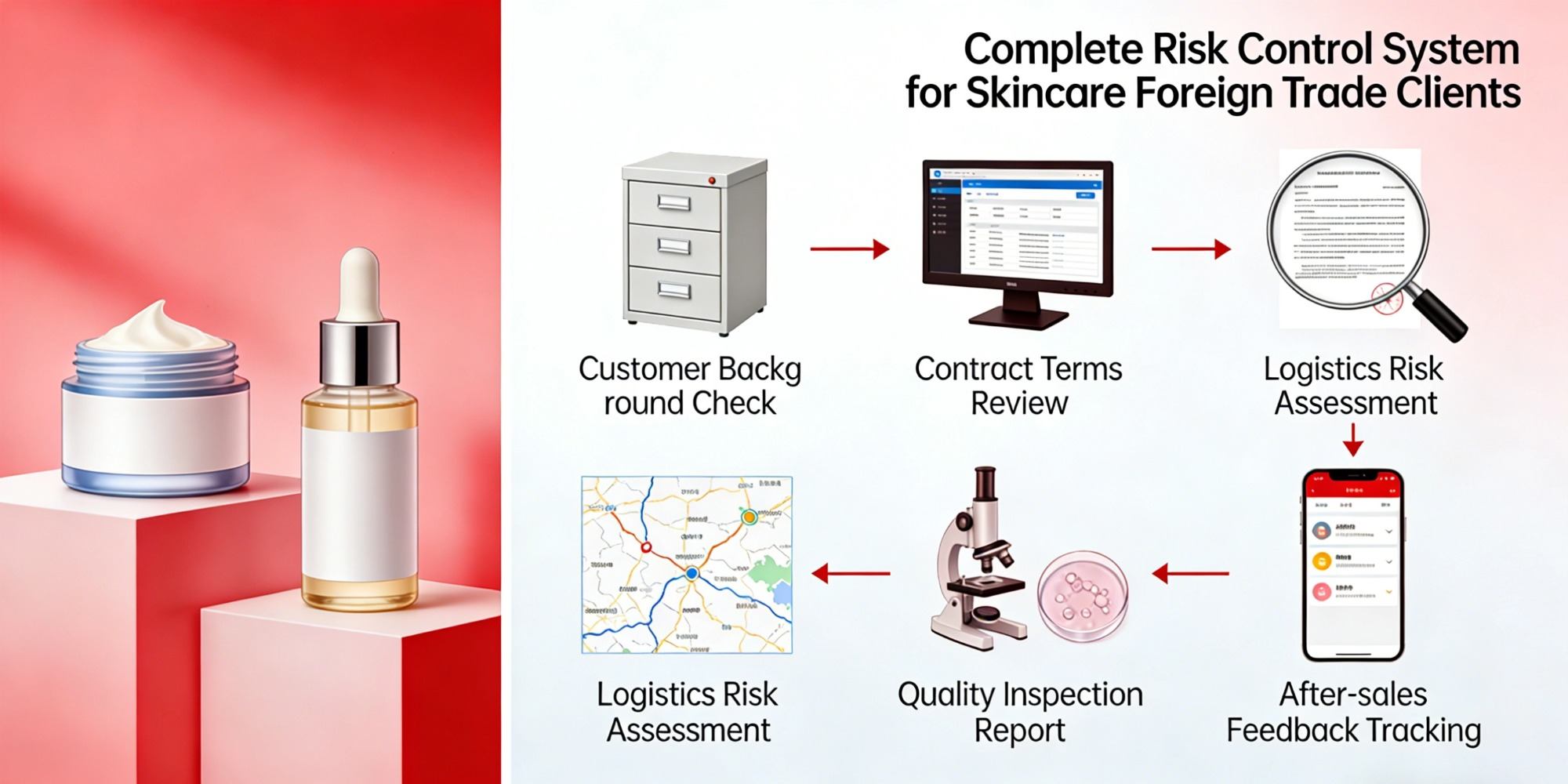
For any skincare brand, the most dreaded scenario is not a month of sluggish sales, but a product recall. A single faulty batch can destroy a brand’s reputation—built up over many years—overnight. When you partner with an OEM manufacturer, you are not merely outsourcing production; you are entrusting your brand’s reputation to them. Truly professional manufacturers do not limit themselves to conducting ‘quality checks’ at the end of the production line. They establish a system to nip problems in the bud before they reach the customer. Below, we reveal how a comprehensive risk mitigation strategy can serve as your brand’s invisible armour.
1. Raw Material Risks: Starting from Certainty
Challenges faced by the brand: How do you ensure that the ingredients used in the formula fully meet your requirements—pure, effective, and uncontaminated?
Our comprehensive solution: Our risk prevention starts at the source. We conduct global procurement through strategic partners in the European Union, the United States, Japan, and South Korea, ensuring that every raw material meets strict purity standards. Before any raw material enters the production workshop, it undergoes rigorous component identification, purity, and microbial testing in our in-house laboratory. We do not take suppliers' promises at face value, but verify them ourselves. This fundamental step eliminates the risk of formula failure before the first batch of products is produced.
2. Production risk: eliminating variability through engineering methods
The Brand Challenge: How can you be certain that batch 10,000 is identical to batch 1?
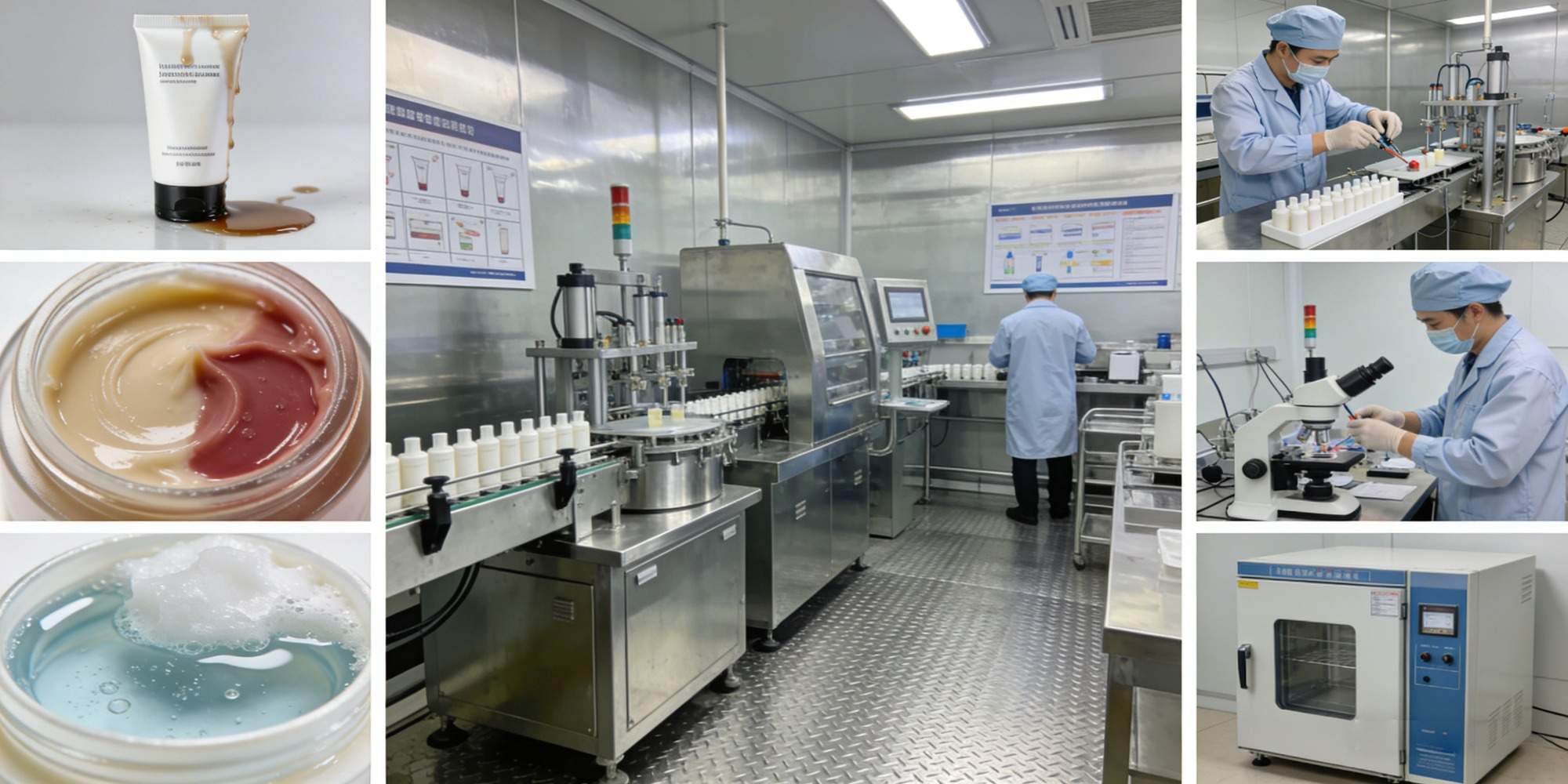
Our Integrated Solution: Consistency is the bedrock of consumer trust. Our production environment is designed to eliminate variables. We manufacture in 100,000-class GMPC-certified cleanrooms with strict temperature, humidity, and particle control. Our fully automated filling and sealing lines remove human error from critical steps. This isn’t just about efficiency—it’s about guaranteeing that every unit that leaves our facility meets the exact same specifications, every time.
3. The Stability Risk: Proving Performance Over Time
Brand Challenge: After months of transportation, storage, and consumer use, can your product remain safe and effective?
Our Integrated Solution: We don’t rely on assumptions; we test reality. Our team conducts comprehensive stability testing, including 45°C high-temperature simulations for tropical markets like Kenya, freeze-thaw cycles for cold climates, and 720-hour destructive testing to push formulations to their limits. This data not only meets regulatory requirements but also gives you confidence that your product will perform as expected from first use to last.
4. The Packaging Risk: Preventing a Silent Failure
The Brand Challenge: What if your premium formula is perfect, but the packaging causes it to leak, degrade, or change texture?
Our Integrated Solution: We treat packaging as an integral part of the product system. All packaging is subjected to seal integrity testing, formulation compatibility testing, and functional performance validation. We ensure that the container doesn’t leach chemicals, the seal doesn’t break in transit, and the formula remains stable throughout its shelf life. This prevents the silent failures—leaks, spoilage, texture changes—that can ruin a customer’s experience and tarnish your brand.
5. The Traceability Risk: Being Ready for the Unthinkable
The Brand Challenge: In the rare event of a market inquiry, can you quickly pinpoint the source and take action?
Our Integrated Solution: We maintain a comprehensive sample retention program for raw materials, semi-finished, and finished goods, preserving them for at least one year past the product’s expiration date. This gold-standard traceability allows us to pinpoint and investigate any issue back to its specific batch origin with precision. This system provides unparalleled peace of mind, enabling swift, accurate, and responsible joint problem-solving that dramatically reduces your brand’s potential risk and crisis management costs.
Conclusion
For a skincare brand, choosing a manufacturer is not just a supply chain decision; it’s a risk management decision. A partner who embeds quality into every process—from sourcing to traceability—becomes your most valuable asset. When you work with a manufacturer that treats your brand’s reputation as their own, you’re free to focus on what you do best: growing your brand and delighting your customers.
1. The Stability and Explosion of the Peptide Market
In 2024, the global peptide skincare market delivered an impressive performance with a valuation of USD 4.8 billion, projected to exceed USD 10.4 billion by 2033, reflecting a robust compound annual growth rate (CAGR) of 9.5%. Within the skincare ingredient landscape, peptides may not be the fastest-growing segment, but they are undoubtedly the most stable. More importantly, peptides have surpassed all other ingredient categories to become the single largest category in the global specialty cosmetic ingredients market. They have decisively shed the label of a "niche luxury" and emerged as the core infrastructure of modern skincare formulations. This signifies a decade-long tailwind of deterministic growth rather than a fleeting trend.
2. The Underlying Logic of the Western Boom — Why Peptides?
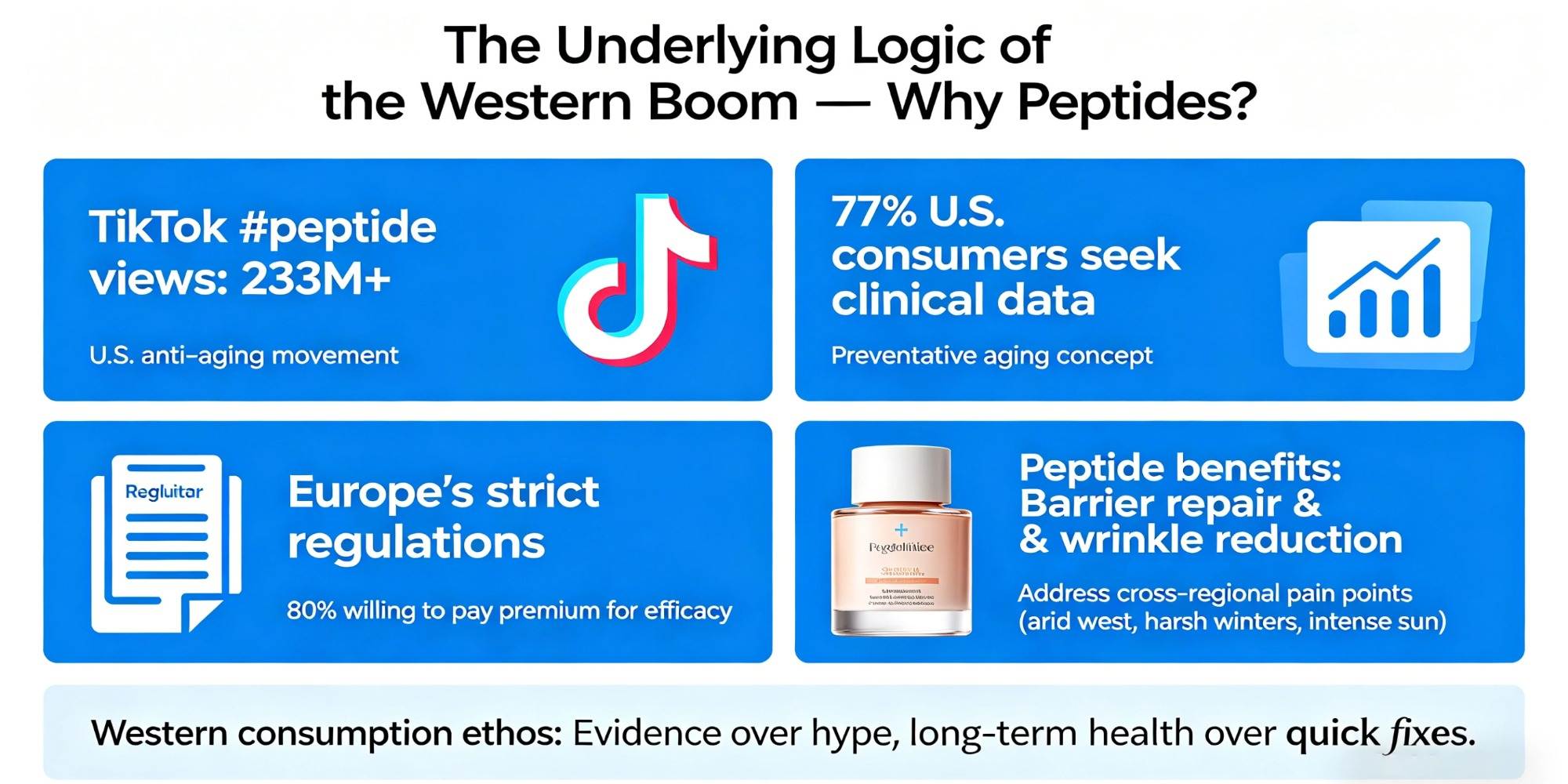
The surge in European and American markets is no coincidence. In the United States, the hashtag #peptide has garnered over 233 million views on TikTok, fueling a nationwide anti-aging movement. 77% of U.S. consumers actively seek clinical data before purchasing, and the concept of "preventative aging" is deeply ingrained. In Europe, growth is driven by the world's strictest regulations and a consumer base where 80% are willing to pay a premium for scientifically validated efficacy. Whether it is the arid climate of the American West, the harsh winters of Northern Europe, or the intense sun of Southern Europe, peptides' dual-action benefits of "barrier repair and wrinkle reduction" perfectly address cross-regional pain points. In short, peptides align with the Western consumption ethos of "evidence over hype and long-term health over quick fixes."
3. Evolution and Technological Trends — From Luxury Ingredient to Foundational Infrastructure
Peptides have undergone a historic shift from pharmaceutical-grade "luxury ingredients" to mass-market accessibility and scientific transparency. Disruptor brands like The Ordinary have driven prices down to the $10–$20 range, while social media has turned ingredient transparency into the most compelling sales narrative. Looking ahead, four key trends will define the winners: First, a structural shift from "reversing aging" to maintaining "functional longevity." Second, the rise of Cyclic Peptides, which offer superior penetration (CAGR of 11.89%). Third, the deep integration of Biomimetic Peptides with the Microbiome. Fourth, the emergence of Gold-Enhanced Peptides in luxury scientific skincare. For OEM/ODM manufacturers, establishing a competitive moat requires a strategic bet on these technological frontiers.
4. Formulation Application and Blending Reference — Common Industry Practices
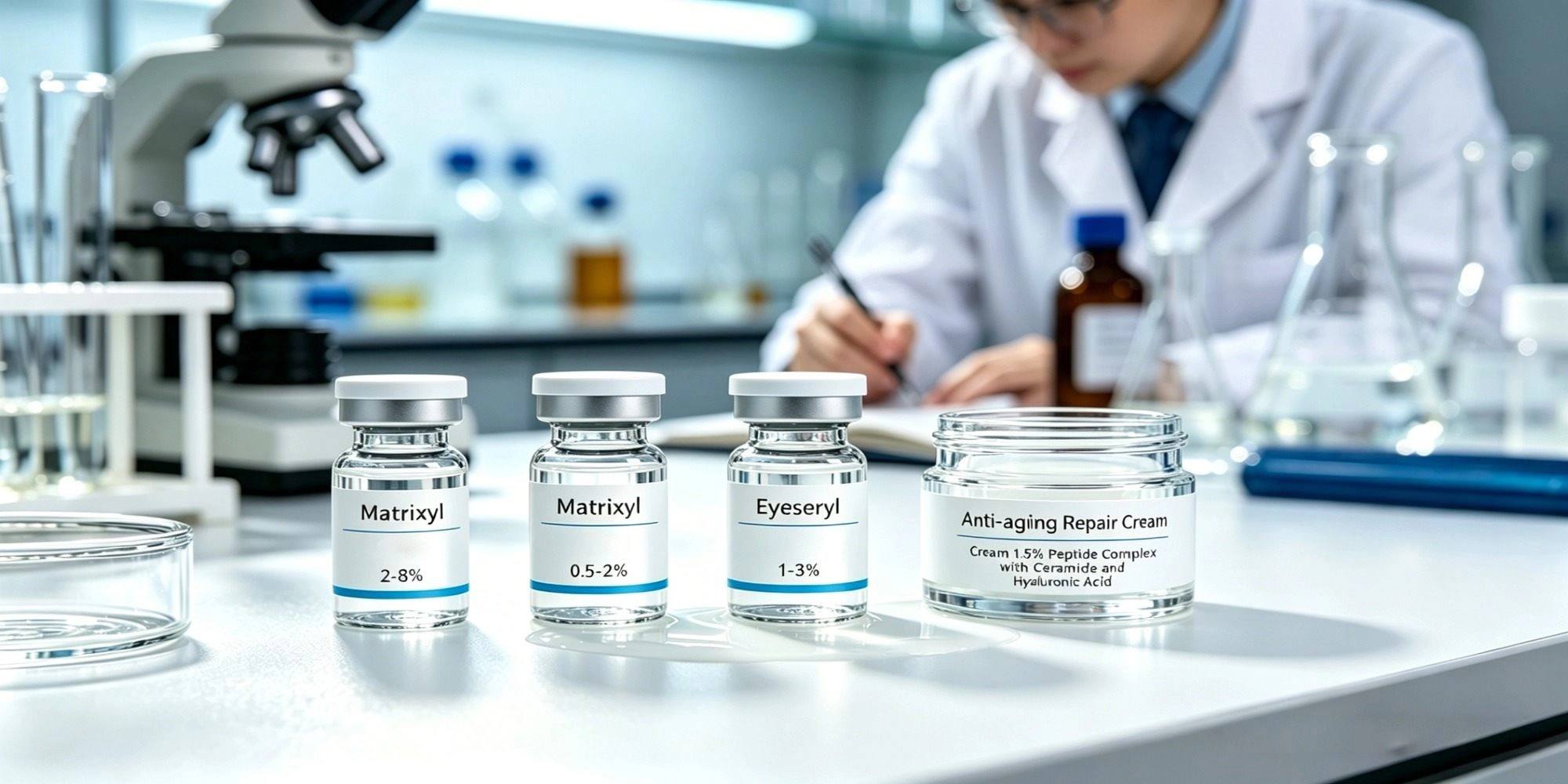
In formulation practice, peptide selection and dosage vary significantly by product category and target claim. Based on publicly available product disclosures and industry benchmarks, common approaches include facial serums targeting firming and wrinkle reduction (often utilizing Matrixyl or Argireline variants in the 2–8% range); creams formulated for dual anti-aging and barrier support, frequently combining peptides with ceramides or hyaluronic acid (1–5%); eye-area formulations addressing expression lines and puffiness (Eyeseryl or similar, typically 1–3%); and rinse-off or treatment masks incorporating copper peptides for repair-focused applications (0.5–2%). Peptides also exhibit broad compatibility with complementary actives—combinations such as peptides with ceramides and amino acids for barrier support, or peptides with encapsulated retinol for balanced anti-aging regimens, are increasingly documented in commercial formulations. Manufacturers with established formulation libraries may offer accelerated development pathways, though specific product performance remains subject to independent clinical evaluation and stability testing.
5. Market Communication Considerations — Observations on Western Consumer Preferences
Marketing communication in Western markets tends to favor evidence-based narratives over abstract or emotional claims. Observed consumer behavior—particularly in the U.S. and Europe—suggests that efficacy claims supported by third-party clinical data, before-and-after case studies, and transparent ingredient disclosure resonate more effectively with informed audiences. Additionally, positioning peptides within the broader "skin longevity" framework, rather than hyperbolic anti-aging language, appears increasingly aligned with consumer sentiment. For brand development, this suggests an opportunity to segment offerings across price tiers—from accessible entry-level formulations to premium, technology-differentiated lines—while ensuring that marketing collateral (including ingredient summaries, key claim language, and supporting test documentation) is both substantiated and regionally compliant. Manufacturers that can facilitate this evidence-to-claim pipeline may reduce the compliance burden for brand partners, though ultimate responsibility for marketing claims rests with the brand owner.
6. Conclusion and Actionable Guide for Manufacturers
Peptides are no longer an optional ingredient; they are foundational infrastructure. For OEM/ODM manufacturers, the product strategy must align with market positioning: "Palmitoyl Tripeptide" combinations for entry-level brands and "Copper Peptides + Cyclic Peptides" for premium offerings. Cost control is achieved through economies of scale and formulation reuse, enabling clients to achieve a luxury feel at accessible price points. Marketing enablement spans from compliance certifications (FDA/CPNP) to building a scientific narrative. The opportunity in the peptide sector lies in technological differentiation (Cyclic Peptides), formulation flexibility (Peptide+), and full-category coverage. For those seeking rapidly deployable formulations or tailored solutions for the US, Europe, or Middle East, this is the optimal window for market entry.
Disclaimer: This article is for industry analysis only and does not constitute professional formulation, medical, or legal advice. Formulation percentages cited are general industry references and should be independently verified for specific product development. The author assumes no liability for actions taken based on this content.
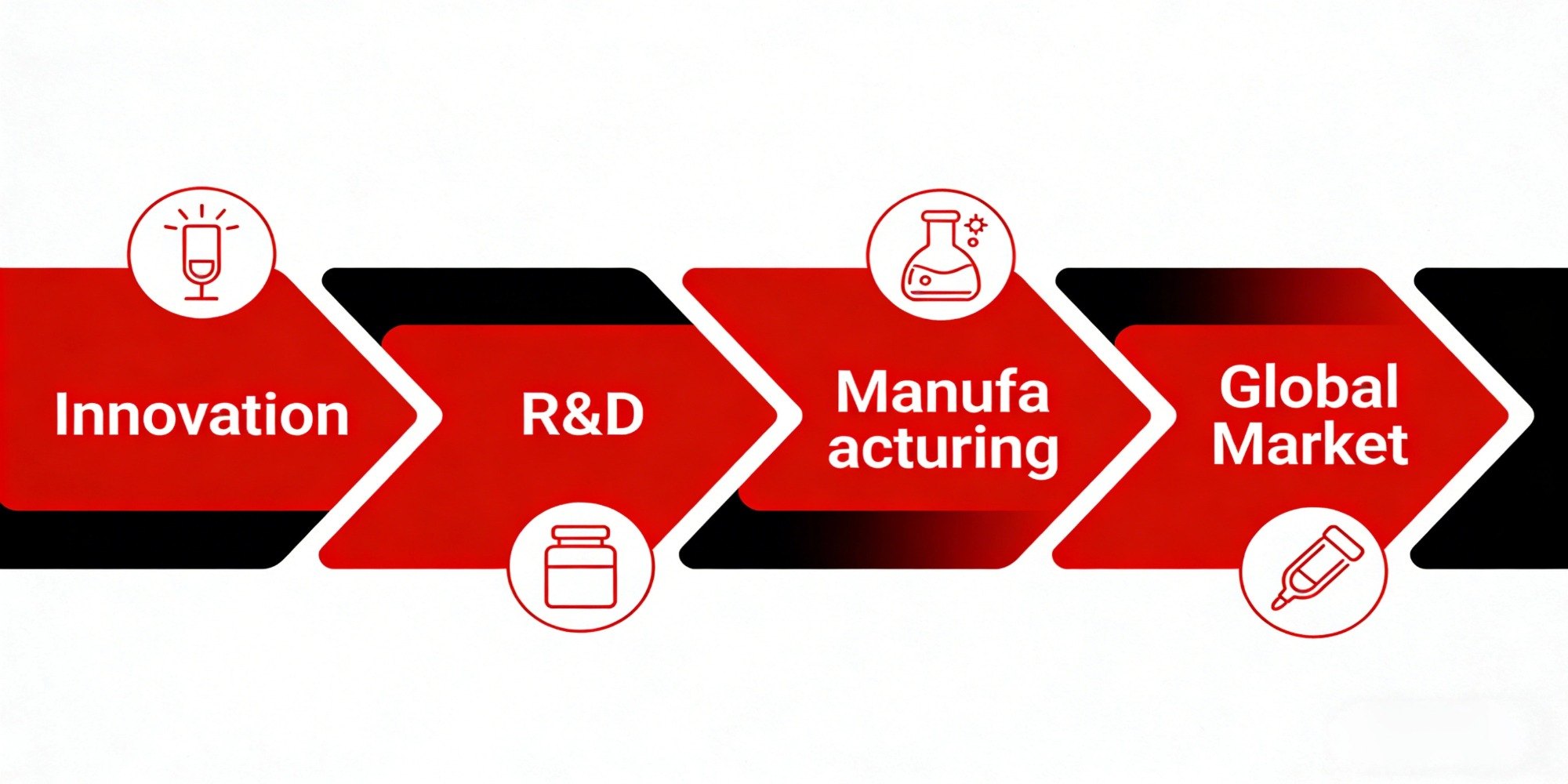
For skincare brands, the gap between a great idea and a successful market launch is filled with complexity. In a fast-paced global market, speed, compliance, and flawless execution are non-negotiable. This is where a manufacturing partner evolves from a simple supplier into a critical driver of your growth. A true OEM/ODM partner provides the integrated expertise and infrastructure to not just make your product, but to de-risk the entire journey and accelerate your path to market. Here’s how a collaborative partnership makes the difference.
1. Translating Your Vision into Viable Science
The Client’s Challenge: You’ve identified a market opportunity or have a novel concept, but lack the in-house scientific capability to develop a stable, effective, and manufacturable formula that meets regulatory standards.
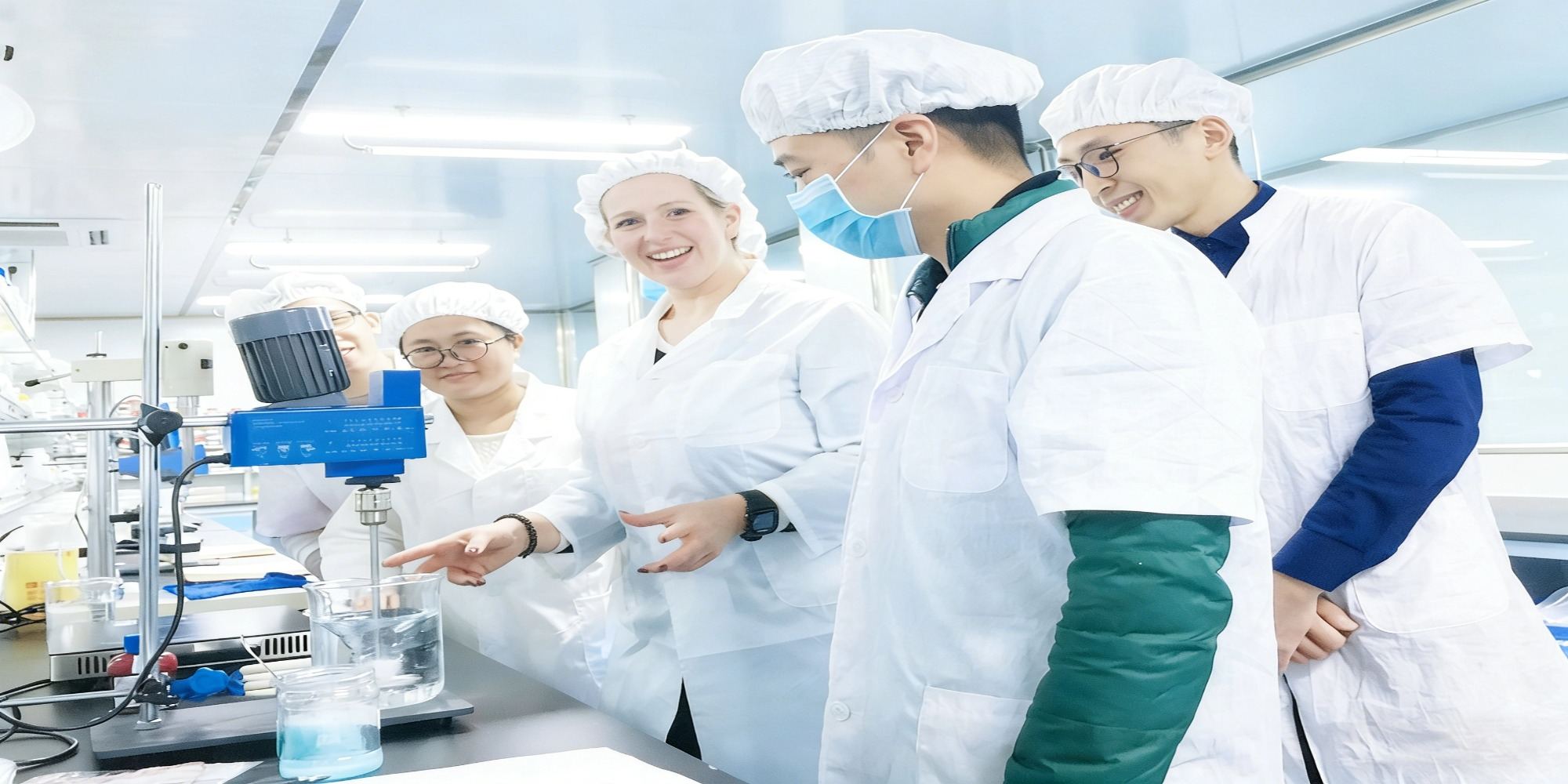
Our Role as Your Partner: Think of our Ph.D.-led R&D team as an extension of your own. We move beyond simply executing a brief to active co-development. By leveraging insights from global trend analysis and a proprietary library of over 3,000 proven formulas, we help refine your concept into a product with a clear competitive edge—whether that’s creating a COSMOS-compliant “clean” formula for Europe or optimizing for humidity stability in Southeast Asian climates.
2. Streamlining the Path to Market
The Client’s Challenge: Coordinating multiple vendors for ingredients, packaging, testing, and compliance drains resources, creates bottlenecks, and delays critical launch timelines.
Our Integrated System: We provide a seamless, single-point-of-contact process. Our workflow integrates global raw material sourcing, packaging development, in-house stability and efficacy testing, and regulatory guidance. This “concept-to-carton” integration allows parallel development streams, which can reduce your time-to-market by 30-50%, enabling you to capitalize on trends with precision.
3. Mitigating Risk with Built-In Quality
The Client’s Challenge: Your brand’s reputation is paramount. A single quality issue can have severe consequences, making absolute confidence in your manufacturer’s controls essential.
Our Foundation of Trust: Confidence comes from transparent systems, not promises. Our multi-stage “Five-Pillar” Quality Control system—spanning from pre-production verification to complete batch traceability—is designed as your brand’s risk mitigation framework. Investment in 100,000-class GMPC cleanrooms and exhaustive compatibility testing ensures product integrity is assured, allowing you to focus on brand building.
4. Enabling Cost-Effective Scaling
The Client’s Challenge: Achieving competitive costs and smoothly scaling production is difficult without significant purchasing power or deep manufacturing expertise.
Our Scalable Advantage: Our scale and expertise become your leverage. Through high-volume production lines and strategic raw material partnerships, we help optimize your bill of materials (BOM) without quality compromise. Our experience in design-for-manufacturability ensures a fluid transition from small pilot batches to full commercial production, supporting your growth at every stage.
5. Building a Partnership for Long-Term Evolution
The Client’s Challenge: Markets and consumer preferences constantly shift. You need a partner that can help you iterate, innovate, and expand your portfolio to stay ahead.
Our Commitment to Your Growth: We position ourselves as a long-term growth ally. Beyond the initial launch, we serve as an ongoing resource for insights on emerging ingredients, sustainable material options, and format innovations. From line extensions to entering new categories, we provide the reliable infrastructure and collaborative partnership to help your brand evolve for sustained success.
Conclusion & Call-to-Action
Selecting a manufacturing partner is a strategic choice that directly impacts your brand’s trajectory. In today’s global landscape, an integrated partner like Aisen does more than manufacture—we accelerate, de-risk, and enable scalable growth.
Is your brand ready to shorten its path to market?
Explore our OEM/ODM Capabilities Overview to see our full process.
Contact our partnership team to discuss your specific product and market goals.
Request a consultation to analyze your concept and timeline.
As science pushes the boundaries of skincare, the conversation is moving from simply feeding the skin toward direct cellular communication. Exosomes—nature's own nanoscale couriers—have drawn global attention, with the exosome skincare market projected to grow from USD 685 million in 2025 to USD 1.98 billion by 2032. While still in a regulatory exploratory phase in China, the underlying science and commercial momentum offer a compelling long-term direction for forward-looking industry professionals.
What Are Exosomes? Nature's Nanoscale Messengers
What are exosomes? These are tiny vesicles, roughly 30–150 nanometers in diameter, secreted by nearly all cell types. They carry bioactive molecules—proteins, nucleic acids—and transmit signals between cells, guiding target cells toward specific behaviors such as initiating regenerative programs. Simply put, most skincare delivers ingredients; exosomes deliver instructions. This fundamental difference has positioned exosomes at the forefront of global skincare research, with applications spanning anti-aging, skin rejuvenation, barrier conditioning, and tone management—categories that collectively drive the market toward an estimated USD 5.16 billion by 2033.
Three Sources: Animal, Plant, and Bioengineered Exosomes
Current exosome materials fall into three main categories. First, animal- or human-derived exosomes are primarily sourced from stem cells. Stem cells can consistently secrete highly active exosomes, but ethical and regulatory constraints largely limit their application to regenerative medicine. Second, plant-derived exosomes are extracted from botanicals like centella asiatica, ginseng, and apple. Their key advantage is extremely low immunogenicity—they rarely trigger adverse reactions—and they account for over 90% of the cosmetic exosome market due to more navigable compliance pathways. Third, bioengineered exosomes mimic natural structures via biotechnology to encapsulate specific actives, an approach still in early-stage exploration.
How Exosomes Work: Signal Transduction and Cellular Renewal
The core mechanism of exosomes is signal transduction. Rather than providing direct nutrition, they communicate with target cells to awaken intrinsic renewal pathways. In skin-related in vitro studies, exosomes have shown potential to help support the synthesis of collagen and elastin, visibly improve the appearance of fine lines, help calm visible redness, condition the skin barrier, and promote a more even, radiant complexion. Their nanoscale lipid bilayer structure—similar to skin cell membranes—also supports efficient delivery of labile ingredients. Plant-derived exosome-like nanovesicles have attracted particular interest for topical formulation, offering a compelling balance of bioactivity and safety. Note: the above is based on published academic research; exosome ingredients are not yet approved for cosmetic use in China.
Our Manufacturing Readiness: GMPC Infrastructure and Formulation Expertise
As a contract manufacturer with over twenty years of skincare R&D and production experience, we closely monitor emerging ingredients and technological developments. While exosomes are not yet applied in cosmetics in China, the core technical directions—nanovesicle encapsulation, active stabilization, and transdermal delivery—are conceptually aligned with our formulation expertise in dosage form development. We have extensive practical experience in active ingredient stability, compatibility, and sensory optimization, and we continue to follow advancements in microencapsulation delivery systems across the industry. Our capabilities are supported by a library of over 3,000 mature formulas and a Class 100,000 GMPC cleanroom with an RO/EDI ultrapure water system (≤2 μs/cm), providing a solid foundation for high-potency ingredient development. For brands planning ahead, our facility is equipped to support pilot-scale development and large-volume production—with daily output reaching 100,000 units for standard skincare and 200,000 pieces for masks—ensuring both speed and consistency when regulatory conditions align.
Looking Ahead: Prepared for the Next Frontier
Exosomes illustrate one possible evolution from ingredient stacking toward biological signal modulation in skincare. Although the commercial pathway in China awaits further regulatory clarity, the underlying logic—nano-delivery, precision control, and active protection—has become an irreversible direction for high-performance skincare. For those of us in the supply chain, the task is to maintain curiosity toward frontier science while diligently refining our foundational capabilities. When the opportunity fully opens, only the prepared will be ready to step forward—and with our existing GMPC infrastructure and formulation experience, we are building that readiness today.
Compliance Disclaimer: This article is intended solely for the purpose of introducing industry technical developments and facilitating academic exchange. It does not constitute any product or business recommendation. To date, no exosome-related cosmetic ingredients or products have been approved in China, and it is strictly prohibited for any enterprise to produce or market exosome-related products under the guise of cosmetics.