How One-Item-One-Code Labels Strengthen Product Security and Brand Trust

In today's increasingly complex supply chains and competitive consumer markets, product authenticity and traceability have become more important than ever. One innovative labeling solution that is transforming how brands protect their products and engage consumers is the One-Item-One-Code label, also known as “unique QR code labeling.”

What Is a One-Item-One-Code Label?

A One-Item-One-Code label assigns a unique, scannable code—usually a QR code—to each individual product unit. Unlike traditional barcodes or batch codes, these dynamic codes are generated for every single piece, enabling full product-level identification, tracking, and verification.

Once scanned using a smartphone, the code can:

  • Authenticate whether the product is genuine or counterfeit

  • Provide traceability details such as production date, origin, and distribution path

  • Connect customers directly to the brand’s official website, promotional content, or warranty registration

  • Record consumer interactions for market insights and loyalty programs

Why Choose One-Item-One-Code Labels?

Our factory specializes in custom printing anti-counterfeit QR code labels on a wide range of materials such as coated paper, PET, or synthetic film. These labels are often paired with tamper-evident or destructible adhesives to further enhance security.

Key benefits include:

  • Anti-counterfeiting: Difficult to replicate since each code is unique and tied to a centralized database

  • Consumer trust: Gives customers a quick and easy way to verify the product's origin

  • Supply chain monitoring: Track product flow from production to point of sale

  • Marketing integration: QR codes can lead to personalized promotions or after-sales service platforms

Our Capabilities

As a professional label manufacturer, we offer:

  • High-speed digital printing of serialized QR codes and barcodes

  • Custom adhesive options including tamper-evident and removable types

  • Support for scratch-off printing or multi-layer formats for added security

  • Flexo and offset printing combinations for premium branding effects

Applications

One-item-one-code labels are widely used across:

Looking to enhance your product security or run QR-driven marketing campaigns? Contact us to learn more about how our One-Item-One-Code labels can add value to your packaging.

Printing Techniques and Applications of Self-Adhesive Labels

Self-adhesive labels come in various printing styles, each affecting the appearance, durability, and functionality.

1. Common Printing Techniques

  • Flexographic Printing: Fast, vibrant colors, ideal for high-volume production — common in food and beverage labels.

  • Offset Printing: High precision, excellent color reproduction — suited for premium cosmetics and wine labels.

  • Screen Printing: Thick ink layers, strong texture — perfect for spot UV or raised effects.

  • Digital Printing: No plate-making needed, great for short runs and fast delivery.

2. Popular Finishing Options

  • Lamination (Matte or Gloss): Improves water and scratch resistance.

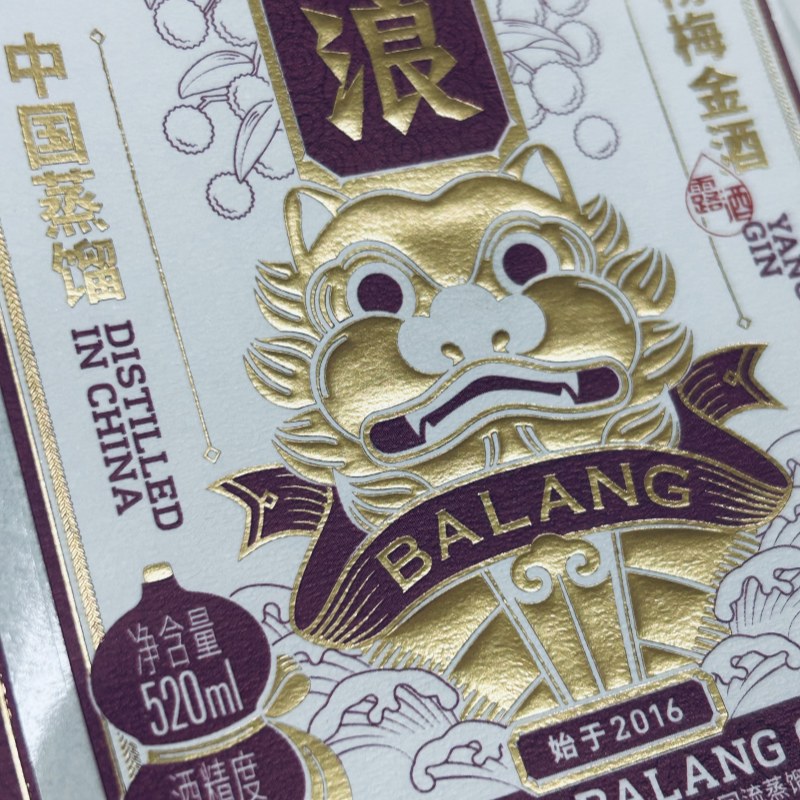
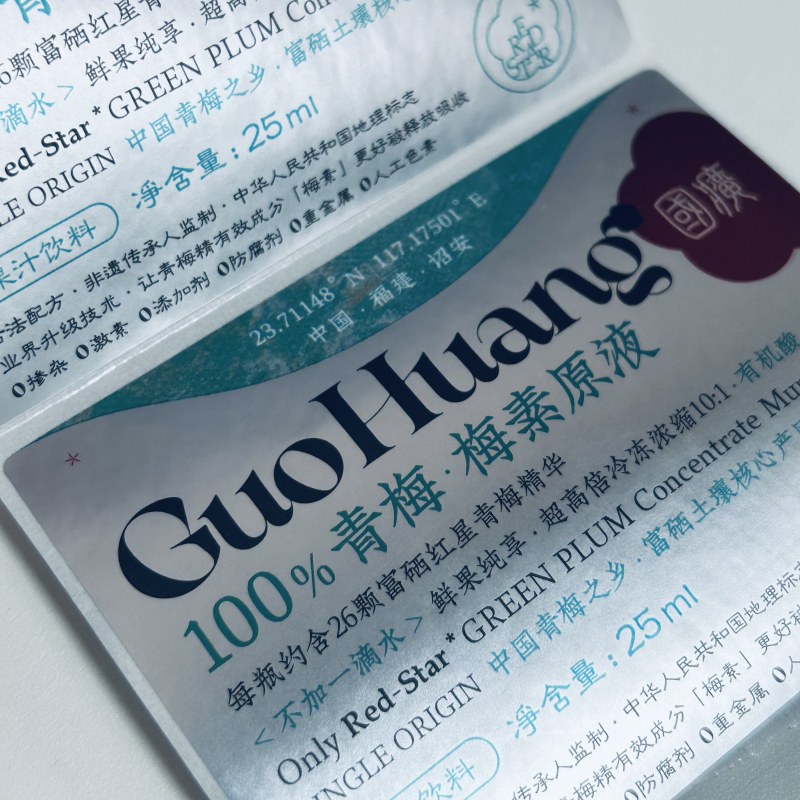
  • Hot Foil Stamping (Gold/Silver): Creates a premium look and stronger shelf appeal.

  • Spot UV: Highlights text or graphics for a tactile, layered effect.

  • Security Features: Holograms, security codes for brand protection.

3. Applications

  • Food & Beverage: Waterproof, oil-resistant, suitable for storage and transport.

  • Cosmetics: Premium printing + special finishes to elevate brand image.

  • Frozen Foods: Low-temp, moisture-resistant labels to keep information clear.

  • Logistics: Barcode and QR code labels for tracking and management.

4. Future Trends

Growing demand for personalization and sustainability is pushing the industry toward eco-friendly materials, recyclable labels, and short-run digital printing.


When choosing labels, consider the product’s appearance, environment, brand image, and budget for the best results. So contact us for your own quotation!

Removable Labels When Flexibility Matters Most

Not all labels are designed to stay on forever. Some applications require labels that can be removed cleanly, leaving no residue behind. These are called removable labels, and they are essential for products that need temporary identification or flexible branding solutions.

1. What Are Removable Labels?

Removable labels use specially designed adhesives that provide secure attachment but allow easy removal without damaging the product surface.

2. Key Features of Removable Labels

  • Clean Removal – No sticky residue left behind.

  • Temporary Adhesion – Ideal for short-term use.

  • Versatility – Suitable for various materials, including glass, plastic, and metal.

3. Material & Adhesive Choices

Removable labels are commonly made from PE, PP, or coated paper combined with low-tack adhesives that balance grip and removability.

4. Common Applications

  • Promotional Labels – For limited-time offers or seasonal campaigns.

  • Reusable Containers – Allowing labels to be replaced as needed.

  • Inventory Control – Temporary labels used during storage or shipping.

Removable labels offer brands the flexibility to change, reposition, or remove labels without leaving a trace—making them an excellent choice for temporary and versatile packaging solutions.

Self-Adhesive Labels Explained Structure, Materials, and Selection Tips


Self-adhesive labels, also known as sticker labels, are made up of face-stock + adhesive layer + release liner. Although they look simple, the choice of structure and materials can directly affect the label’s appearance, stickiness, durability, and application results.

1. Face-stock

This is the top layer of the label where the printing is applied. Common facestock types include:

  • Paper-based: Coated paper, writable paper — economical and suitable for food, daily goods, and general applications.

  • Synthetic: PET, PP, PE — waterproof, oil-resistant, tear-resistant; perfect for cosmetics, beverages, and frozen foods.

  • Specialty: Metallic paper, holographic film, thermal paper — for unique visual effects or specific functions.

2. Adhesive Layer

The adhesive determines stickiness and suitability for different environments:

  • Permanent Adhesive: Strong bond, not easily removed — for long-term use.

  • Removable Adhesive: Peels off cleanly without residue — ideal for price tags, temporary labels.

  • Freezer Adhesive: Maintains adhesion in low temperatures — for cold chain labels.

3. Release Liner

Protects the adhesive layer and allows easy application, especially in automatic labeling machines. Common materials include glassine paper and PET film.

4. Material Selection Tips

  • High temperature: Heat-resistant synthetic face-stock + high-temp adhesive.

  • Moist environments: Waterproof synthetic face-stock + strong waterproof adhesive.

  • Frozen products: Low-temperature face-stock + freezer adhesive.

Tip: A good label is not just about printing quality — material and adhesive compatibility are equally important. The right selection can extend label lifespan and enhance brand image.

If you need us to recommend suitable materials for you, please feel free to contact us.


Smart Packaging Trends – How Labels Enhance Consumer Interaction

In today’s digital world, packaging is no longer just about protection and branding. Smart packaging is becoming a key tool for brands to connect with consumers, and self-adhesive labels play an important role in this transformation.

1. What Is Smart Packaging?
Smart packaging integrates technology into packaging design, allowing products to “communicate” with consumers. This often involves labels equipped with QR codes, RFID chips, or variable data printing.

2. Labels as a Bridge Between Brand and Consumer

  • QR Codes: Direct consumers to websites, promotions, or product information.

  • RFID Labels: Enable instant interaction with smartphones.

  • Variable Data Printing: Supports personalized campaigns and product traceability.

3. Benefits for Brands

  • Engagement: Strengthen consumer loyalty through interactive experiences.

  • Transparency: Provide instant access to sourcing and production details.

  • Security: Authenticate genuine products and fight counterfeiting.

As consumer expectations evolve, smart packaging and intelligent labels will become an essential part of brand strategy, combining functionality with digital engagement.

The Importance of Oil- and Scratch-Resistant Labels in Food Packaging

Food packaging presents unique challenges for labels. Oil, moisture, and frequent handling can easily damage labels, affecting readability and brand image. This is why oil- and scratch-resistant labels are increasingly in demand.

1. Why Are They Needed?

  • Oil and Moisture Resistance: Essential for sauces, condiments, and frozen foods.

  • Scratch Resistance: Keeps labels intact during transportation and shelf display.

  • Durability: Ensures important information like ingredients and barcodes remain clear.

2. Material and Finishing Options

  • Synthetic Films (PP, PE, PET): Provide strong resistance against oil and water.

  • Protective Coatings or Lamination: Add an extra layer of protection.

  • Special Adhesives: Ensure labels remain securely attached even on difficult surfaces.

3. Benefits for Brands

  • Professional Appearance: Maintains a clean, attractive look on the shelf.

  • Consumer Trust: Legible information builds reliability and compliance.

  • Cost-Effectiveness: Reduces re-labeling and product returns.

Oil- and scratch-resistant labels are more than just durable—they are essential for preserving brand value and ensuring compliance in the competitive food packaging market.

The Power of Transparent Labels with Cold Foil Stamping in Global Beverage Packaging

In the global beverage industry, packaging design is one of the most effective tools for capturing consumer attention and influencing purchasing decisions. While product quality is always key, what first attracts the eye on the shelf is the label. Among the many innovations in label printing, transparent labels combined with cold foil stamping have emerged as a standout choice for brands worldwide.


What Are Transparent Labels with Cold Foil?

Transparent labels are produced from clear films, such as PET, to achieve a sleek “no-label look.” This effect makes the graphics appear directly printed on the bottle, creating a clean and modern appearance.

Cold foil stamping is a process where metallic foil is transferred to specific areas of the label during printing. Unlike hot stamping, cold foil allows faster application and greater design flexibility. When combined with transparent labels, it delivers a striking balance between simplicity and premium detail.

Why Beverage Brands Choose This Combination?

1. Global Shelf Appeal

The transparency highlights the natural color of the drink, while the foil draws attention to logos or brand icons. This dual effect increases visibility and helps products stand out in competitive retail environments worldwide.

2. Versatility Across Beverage Categories

From vodka, beer, and ready-to-drink cocktails to juices, sparkling water, and soft drinks, transparent cold foil labels adapt easily to different types of beverages and brand identities.

3. Durability Across Climates

Whether in cold storage in Europe, humid conditions in Asia, or long-distance shipping to North America, the labels remain intact. Their strong adhesives and moisture resistance ensure reliability across global markets.

4. Design Flexibility

Metallic effects such as silver, gold, or holographic foil allow designers to add sophistication and differentiation without needing expensive custom bottle printing.

5. Global Market Applications

Transparent cold foil labels are widely used in premium beverages targeting international consumers. They meet the rising demand for minimalist packaging that communicates both quality and authenticity. For global brands seeking consistent packaging across multiple regions, this solution combines visual impact with technical performance.

Why Work With Us?

  • As a professional label manufacturer based in China, Jinke Label provides:
  • Factory-direct production with no intermediaries.
  • Advanced printing technology including flexographic and offset processes.
  • Customization in material, adhesive, and format to fit your labeling equipment.
  • Sample books available for quality evaluation before mass orders.
  • Experience with global clients in food, beverage, and cosmetics industries.

Final Thoughts

Transparent labels with cold foil stamping are more than a trend — they represent a practical and effective solution for global beverage packaging. By combining clarity, durability, and striking design, they help brands strengthen their identity and appeal to consumers worldwide.

The Role of Transparent Labels in Modern Packaging Design

In today’s competitive marketplace, packaging plays a critical role in shaping consumer perception. Transparent labels are increasingly favored by food, beverage, and cosmetic brands because they highlight the natural beauty of the product while maintaining a premium and minimalist look.

Benefits of Transparent Labels

  1. Showcase Product Quality – Transparency allows customers to see the actual product, building trust and authenticity.

  2. Premium Appearance – The “no-label look” creates a sleek, modern, and elegant presentation.

  3. Versatility in Application – Transparent labels can be applied to glass, PET, and other smooth containers, making them suitable for diverse industries.

  4. Durability – With oil- and moisture-resistant materials, they remain clear and intact even in challenging environments.

Applications

  • Food & Beverages: Ideal for juices, sauces, and dairy products.

  • Cosmetics & Personal Care: Enhance lotions, creams, and perfumes with a clean, refined appearance.

  • Household Products: Provide a professional finish while keeping instructions visible.

Transparent labels are more than just decoration—they are a strategic tool for branding. By using them, businesses can communicate transparency, quality, and trust directly to their customers.

Understanding Label Application Direction for Smooth Labeling

Label Application Direction

When it comes to roll labels, application direction (also called unwind direction) plays a key role in ensuring your labels are applied correctly and efficiently.

The label application direction refers to how the labels are oriented on the roll—whether the top, bottom, left, or right edge leads off first.

This detail is especially important for automatic labeling machines, where the wrong unwind direction can cause misalignment or production delays.

At JINKE Printing, we offer flexible unwind options such as:

  • Top leading
  • Bottom leading
  • Left edge leading
  • Right edge leading

Before production, confirming the correct application direction helps ensure:

✅ Smooth labeling during high-speed application

✅ Proper label placement on your packaging

✅ Reduced waste and downtime

Whether your labels are for food, beverage, cosmetics, or industrial products, we can customize the roll direction, core size, and winding method to match your labeling equipment perfectly.

📩 Feel free to contact us if you’d like a quick guide on how to choose the right unwind direction for your application line.

Understanding Thermal Label Paper

When it comes to thermal label paper, there are several options available depending on your application needs. From single-proof to tri-proof, and even five-proof thermal labels, each type has its unique characteristics, cost, and performance. In this blog, we’ll break down the key differences and how to choose the right one.

Single-Proof Thermal Paper Labels

Single-proof thermal labels are made from standard thermal materials. The surface is clean and white, providing clear printing results with simple water resistance. These labels are cost-effective and suitable for common applications such as:

  • Retail labeling
  • Barcode printing
  • Logistics and shipping

Since they are inexpensive, they are widely used in everyday scenarios where basic performance is enough.

Tri-Proof Thermal Paper Labels

Tri-proof thermal labels use a special face stock that is waterproof, oil-resistant, and scratch-resistant. They are coated with hot-melt adhesive, which provides stronger initial tack and allows labeling on uneven surfaces. Compared to single-proof labels that use water-based adhesive, tri-proof labels leave fewer residues when removed.

Common applications include:

  • Supermarket weighing scale labels
  • International logistics
  • Shipping labels

Tri-proof thermal paper can be stored for about 2 years, and scratches made with a fingernail are less visible.

Five-Proof Thermal Paper (Synthetic Thermal Paper)

Five-proof thermal paper, also known as thermal synthetic paper, offers even higher durability. It is designed to withstand:

  • Water
  • Oil
  • Alcohol
  • Abrasion
  • Light and heat

This type features a thick protective coating with tear-resistant backing paper, making it an excellent choice for demanding environments.

How to Identify Good Quality Thermal Paper

  • Appearance – High-quality paper should not be overly white. A slightly greenish tint indicates a proper balance of coating. Excessive whiteness often means too much fluorescent agent. The surface should be smooth, uniform, and not overly glossy.
  • Fire Test – Heating the back with a lighter should produce an even black-green color that fades outward. Uneven coating results in stripes or patches.
  • Sunlight Test – Printed paper exposed to sunlight should retain print longer. Poor paper quickly darkens under UV exposure.

Thermal Paper vs. Coated Paper Labels

  • Storage Life – Coated paper labels last longer than thermal paper labels.
  • Temperature Resistance – Thermal labels are sensitive to heat, while coated paper labels are more stable.
  • Printing Method – Coated paper requires a ribbon for printing; thermal paper does not.
  • Cost – Thermal paper is more affordable; coated paper is slightly more expensive but durable.

What Is Blue Grid Thermal Paper?

Blue grid thermal paper refers to thermal labels with blue glassine backing paper. Variants include white grid and white thick backing.

Advantages of glassine paper:

  • Uniform texture with high transparency
  • High temperature resistance, moisture resistance, and oil resistance
  • Strong internal fiber strength, making it durable

Glassine backing paper is widely used in barcodes, adhesive tapes, and as release liners in the medical industry.

Conclusion

From single-proof labels for cost-sensitive retail and logistics to tri-proof labels for international shipping and five-proof synthetic paper for extreme conditions, there is always a thermal paper label to fit your needs. Choosing the right type depends on your application, environment, and budget.